Pulished on Sep. 23, 2026
Buying electric forklifts from China can give European distributors, importers and industrial buyers access to a wide range of models, battery options and customized configurations.
It can also be tricky to compare suppliers side by side.
Two electric forklifts might look nearly the same in product photos. Both could carry a 2.5-ton rating, fitted with lithium batteries and a 3-meter mast. Even so, real-world performance after a full year of daily work can turn out vastly different.
These gaps usually come from details you won’t easily see on a quotation: internal components, assembly workmanship, battery system, hydraulic setup, spare parts supply, and the supplier’s responsiveness when faults pop up.
Naturally, price plays an important role. For importers ordering multiple units or a full container shipment, even a small price gap on each forklift quickly adds up.
Still, the cheapest FOB offer does not always mean the lowest total cost for your project.
Here are the main things European buyers should check before placing an electric forklift order with a Chinese supplier.
Start with the specification sheet.
This point may seem straightforward, yet it ranks among the most frequent issues when reviewing different quotes.
Supplier A may offer a 3 ton electric forklift at a price much lower than Supplier B. On first reading, Supplier A appears far more attractive.
But dig deeper into the specs.
The battery capacity is different. The charger is different. One quotation includes side shift and the other does not. The mast configuration may not be the same. Tire type, fork dimensions or other components can also vary.
Before comparing prices, put the important specifications side by side.
Check:
l Rated load capacity
l Load center
l Lift height
l Mast type
l Overall dimensions
l Turning radius
l Fork size
l Battery type
l Battery capacity
l Charger
l Tire type
l Side shift or other attachments
l Warranty
l Included spare parts
Only then does the price comparison become useful.
A European buyer might request a 2 ton electric forklift because the heaviest pallet weighs around 1,900 kg.
That may be suitable, but not automatically.
Forklift capacity depends on more than the number printed on the model plate.
Load center, lift height and attachments can affect the available capacity. Long or unusually shaped loads can also change the situation.
This becomes particularly important with clamps, fork positioners and other attachments.
If your application is close to the rated limit, send the supplier actual information:
Maximum load weight: 1,900 kg
Load dimensions: 1,200 × 1,000 mm
Maximum lift height: 4,500 mm
Attachment: Side shift
That is much better than simply asking:
“Please quote 2 ton electric forklift.”
A responsible manufacturer should be able to recommend a configuration based on the real application.
Product photos help, but they won’t reveal every detail of the machine.
Request close-up photos or videos of the forklift, especially if you’re placing your first order with this supplier.
Focus on the mast, axle, hydraulic system, overhead guard, wiring, battery compartment and overall assembly work.
These small details can tell you a great deal about build quality.
Are the cables routed neatly?
Are connectors protected?
Does the mast move smoothly?
How does the forklift behave when loaded?
Does the body feel stable during turning?
How accessible are service components?
At EIOUU, for example, we pay attention to details such as the one-piece cast steel axle, anti-leakage cylinder design, protected wiring, rear axle damping, operator-presence protection and intelligent battery management, depending on the forklift model and configuration.
These features may not be the first things a purchasing manager notices, but they become much more important during daily use.
“Lithium battery included” is not enough information.
For a lithium electric forklift, ask:
l What battery chemistry is used?
l What is the voltage?
l What is the capacity?
l What BMS is used?
l What charger is supplied?
l What is the approximate charging time?
l Is opportunity charging supported?
l What battery warranty is provided?
l Can a replacement battery be supplied later?
l How does the BMS communicate with the forklift?
Battery configuration should match the working schedule.
A forklift operating two hours per day does not have the same energy requirement as a truck running across two shifts in a distribution center.
Buying the largest available battery is not always necessary.
Buying a battery that is too small for the application creates a different problem.
Tell the supplier how the machine will actually be used.
Many Chinese electric forklift manufacturers can offer both lithium and lead-acid battery configurations.
Which one should a European buyer choose?
It depends on the application.
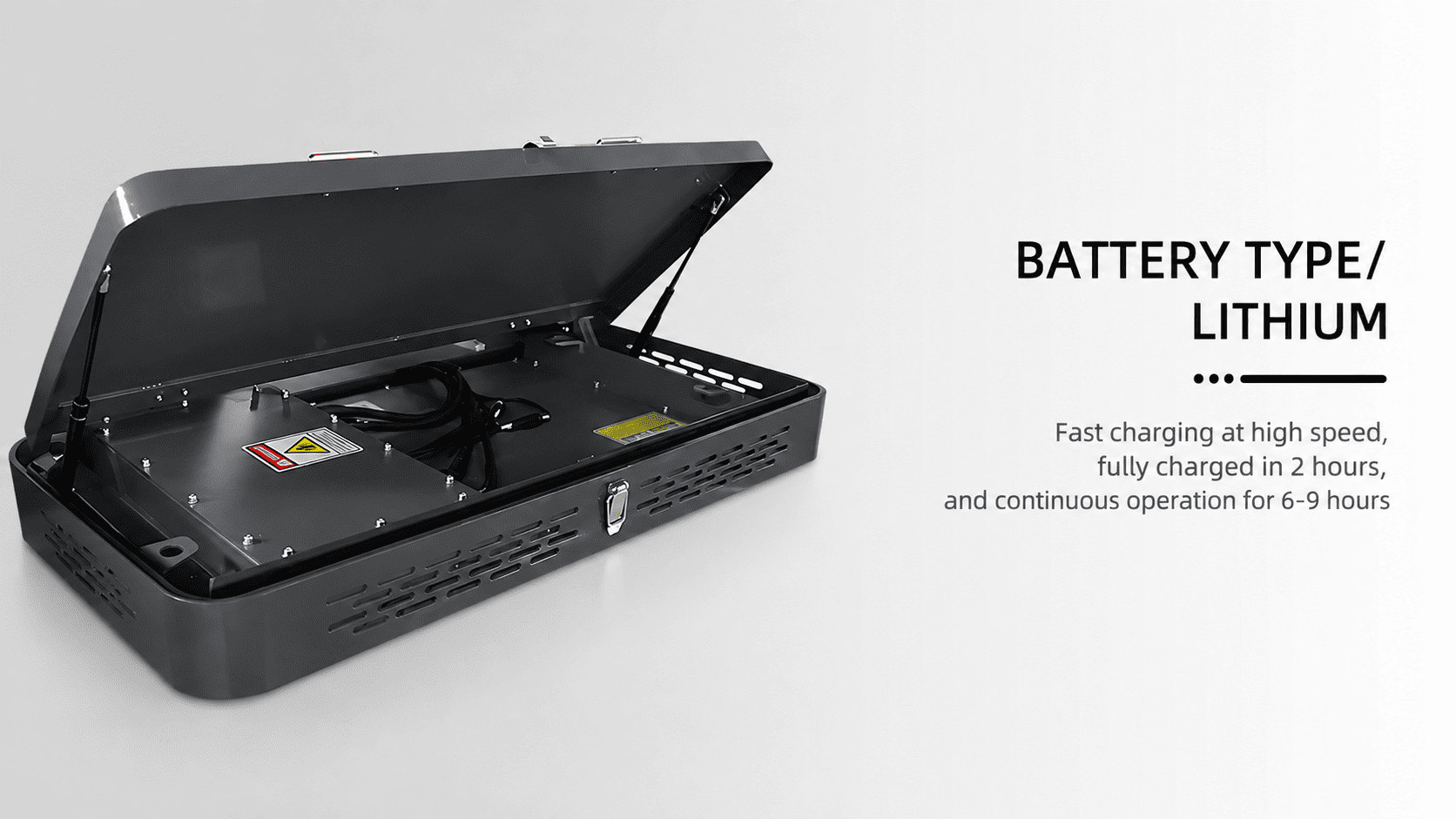
Lithium is attractive for operations that need fast charging, opportunity charging and lower routine battery maintenance. It can be particularly useful for warehouses with long working hours or multiple shifts.
Lead-acid normally has a lower initial purchase cost and can still be a sensible option where the forklift works limited hours and has sufficient time for charging.
Do not choose lithium simply because it is newer.
Do not choose lead-acid simply because the quotation is cheaper.
Compare the expected working hours and total operating cost.
For European buyers, documentation and regulatory compliance deserve careful attention.
Do not leave this conversation until the container is almost ready.
Before ordering, ask the supplier exactly what documents will be supplied for the specific forklift model and configuration.
You should also independently confirm which EU or national requirements apply to your role and the equipment you are importing or placing on the market.
This is particularly important when the forklift has been customized.
A different mast, battery system or attachment may affect the documentation or conformity assessment that needs to be considered.
Ask for relevant documents early enough to review them.
A PDF with a familiar logo on the first page should not be the end of your compliance check. Confirm what the document covers and whether the model being shipped corresponds to it.
The charger is sometimes treated as a minor accessory.
It isn't.
Check that the supplied charger is suitable for the battery and intended market.
Voltage and electrical requirements should be confirmed before shipment.
This sounds like a small detail until a forklift arrives and the customer discovers that the charging arrangement is not suitable for the site.
For distributors ordering multiple machines, confirm charger specifications in writing as part of the final order configuration.
This is one of the biggest differences between buying one forklift and importing forklifts commercially.
If you are a European distributor, your customer will call you when the machine stops.
They will not want to wait while you begin searching for a sensor, seal or controller in China.
Before ordering, ask the manufacturer which parts are considered common service or wear items.
Depending on the model, this might include:
l Sensors
l Switches
l Hydraulic seals
l Wheels
l Brake components
l Electrical parts
l Contactors
l Controllers
l Charger components
l Mast wear parts
For an initial shipment, consider adding a basic spare-parts package.
It takes little container space and can save a great deal of time later.
Also ask a simple question:
If I send you a photo of a damaged component two years from now, can you identify and supply it?
For a distributor, the answer matters.
“12-month warranty” looks reassuring on a quotation.
But what does it actually mean?
Ask what is covered.
Does the warranty include the battery? Charger? Controller? Hydraulic components?
What is excluded as a wear item?
If a component fails, does the manufacturer send a replacement part? Who pays the freight? What evidence is required to make a claim?
A warranty is useful only when both sides understand how it works.
For a dealer building a local reputation, clear after-sales procedures are worth more than an impressive warranty sentence in a catalogue.
European distributors often want to sell under their own brand.
If that is part of your plan, discuss it before placing the first order.
OEM electric forklift cooperation can include more than adding a logo.
Depending on the project, customization may involve:
l Brand logo
l Body color
l Model labels
l Battery configuration
l Mast
l Fork length
l Tires
l Attachments
l Manuals
l Packaging
Ask what can realistically be customized at your order quantity.
A good supplier should tell you what is practical and what is not.
Be cautious when every customization request receives an immediate “yes” without any discussion of quantity, engineering or cost.
When sourcing online, it is not always obvious who you are dealing with.
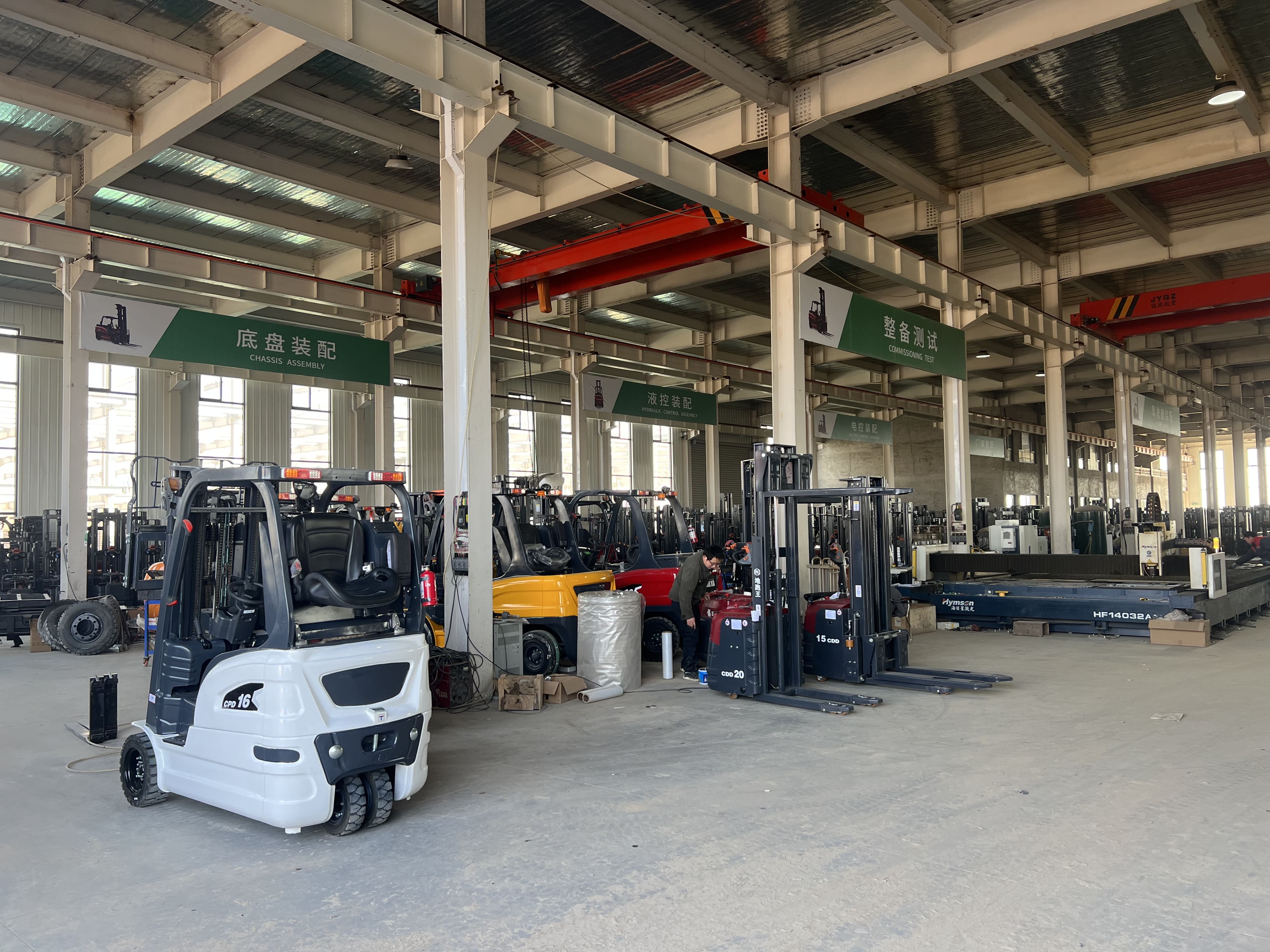
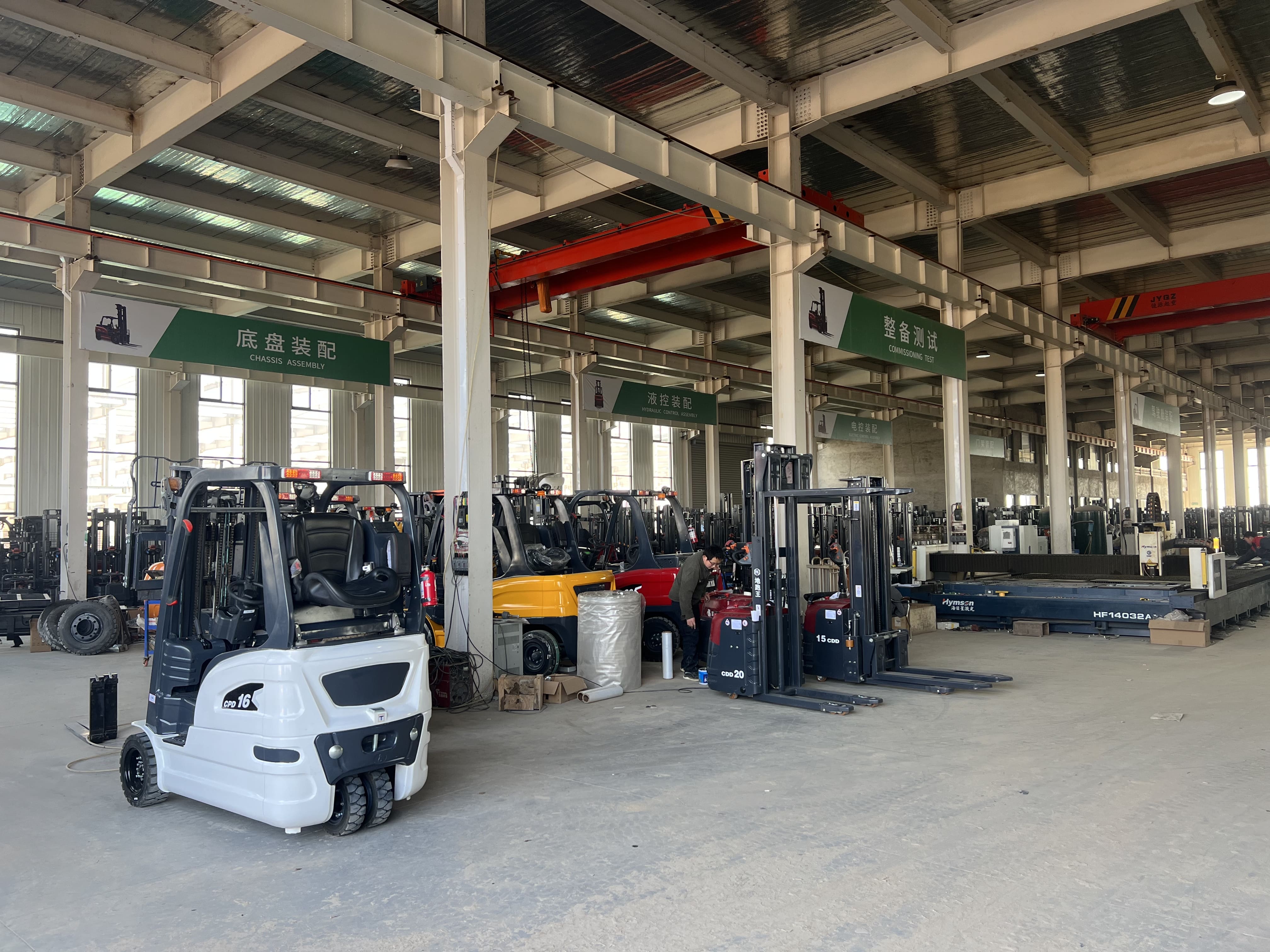
Ask for recent factory videos.
You can request to see production, assembly, finished forklifts, testing areas, warehouse stock and container loading.
A live video call can also be useful for a first order.
You do not need a cinematic factory tour.
You need enough information to understand whether the supplier has the equipment, people and processes required to support your order.
If the order value is significant, a third-party inspection or factory visit may also be worthwhile.
Finding a problem in China is easier than finding it after the forklift reaches Europe.
For larger orders, agree on a pre-shipment inspection process.
The inspection can include:
l Model and quantity
l Appearance
l Forklift dimensions
l Mast and lift height
l Battery specification
l Charger
l Tires
l Forks
l Labels
l Accessories
l Hydraulic functions
l Driving functions
l Braking
l Lights
l Documentation
If you use your own branding, check that too.
A wrong logo may sound minor, but correcting twenty machines after arrival is unnecessary work.
Ask for the loading plan before shipment.
Forklifts are heavy machines. They need to be secured correctly inside the container.
Ask whether masts or other parts will be removed for transport and what assembly will be required after arrival.
If several models are being shipped together, confirm the quantity that fits into a 20GP or 40HQ container.
Container utilization can have a noticeable impact on the landed cost per forklift.
For distributors testing a new supplier, mixing several capacities in one container may also be useful where feasible.
For example, rather than committing to a large quantity of one model, you may test several common capacities and see which ones your customers prefer.
The factory price is only one part of the purchase.
A more useful calculation is:
Forklift cost + options + Chinese inland costs + freight + insurance + import-related costs + local delivery + preparation + spare parts.
Then consider inventory and after-sales risk.
If Supplier A is slightly cheaper but Supplier B provides better parts support and more consistent quality, the difference in landed business cost may be very different from the difference shown on the original quotations.
For dealers, the cost of a forklift sitting in a customer's warehouse waiting for a part can easily exceed the amount saved when buying it.
You do not need to place a large annual order just because the first quotation looks good.
A trial order gives you real information.
You can check:
l Communication
l Production time
l Product consistency
l Documentation
l Packaging
l Shipping preparation
l Actual forklift performance
l Customer feedback
l Spare-parts response
If everything works well, increase the volume.
This approach is particularly useful for European distributors developing a new electric forklift range or private-label brand.
A long-term supplier relationship is easier to build after both sides have completed a real order together.
Chinese forklift manufacturing is competitive, which gives European buyers plenty of choice.
That is good for purchasing, but it can also make price comparison too easy.
A forklift is not a disposable product.
It may remain with your customer for years.
During that time, the quality of the battery, electrical system, mast, hydraulics, axle and service support will matter much more than a small difference in the original quotation.
For a distributor, there is another consideration: your name is on the sale.
If you save a few hundred euros on the purchase but spend months dealing with complaints, it was not a cheap forklift.
Before sending a deposit to an electric forklift supplier in China, make sure you can answer the following:
1. Is the load capacity suitable for the actual load and load center?
2. Is the mast suitable for the required lift height?
3. Are the dimensions suitable for the customer's working area?
4. Is the battery correctly sized for the duty cycle?
5. Is the charger suitable for the intended market and battery?
6. Have the applicable compliance requirements been checked?
7. Have you reviewed the relevant documentation?
8. Are important components clearly identified?
9. Can spare parts be supplied later?
10. Are warranty procedures clear?
11. Has OEM/ODM customization been confirmed in writing?
12. Will the forklift be tested before shipment?
13. Is the container loading method clear?
14. Have you calculated the approximate landed cost?
15. Do you know who will provide technical support after the sale?
If several of these answers are still unclear, it is probably too early to place the order.
At EIOUU, we manufacture electric material handling equipment for international B2B customers, including distributors, wholesalers, importers and industrial buyers.
Our focus is not simply supplying a forklift with the requested tonnage. Different customers require different battery capacities, lift heights, dimensions and attachments, so the configuration should be discussed around the real application.
Depending on the model and project, options can include lithium battery configurations, different mast heights, forks, tires and attachments, together with OEM & ODM solutions for distributors developing their own product range.
For overseas buyers, we also understand the importance of product consistency, spare-parts availability and communication after shipment.
If you are comparing Chinese electric forklift suppliers, send us the required load capacity, lift height, working hours and application. We can help you determine which configuration makes sense before preparing a quotation.
China has a large material-handling equipment manufacturing industry, but quality and supplier capability vary. Buyers should evaluate the specific manufacturer, product configuration, documentation, quality control, warranty and spare-parts support before ordering.
Check the complete specification, actual load requirements, battery and charger, applicable regulatory requirements, documentation, spare-parts availability, warranty, pre-shipment inspection and shipping arrangement.
They can be, provided the specific forklift is properly selected for the application and meets the relevant technical and regulatory requirements. Buyers should evaluate the complete machine rather than judging suitability only by price or battery type.
Many manufacturers provide OEM services. Depending on the supplier and order quantity, customization can include logos, colors, labels, batteries, forks, masts, attachments, manuals and packaging.
For commercial orders, particularly when working with a new supplier, pre-shipment inspection is a sensible step. It allows problems with specifications, functions, branding or documentation to be identified before the equipment leaves China.
Do not compare only the FOB price. Compare specifications, components, manufacturing quality, battery system, documentation, spare-parts support, warranty, communication and the expected total cost of ownership.
 Previous: None
What European Buyers Should Check Before Buying Electric Forklifts from China
Published on Sep. 23, 2026
Electric Forklift Buying Guide for European Distributors
Published on Sep. 21, 2026


314, Building 3, No. 12 Haitai Development 2nd Road, Binhai High-tech Zone, Xiqing District, Tianjin, China


Copyright © Tianjin HRX Technology Co., Ltd. All Rights Reserved. Sitemap
Home ProductsAbout usOEM/ODMNewsContact Us